

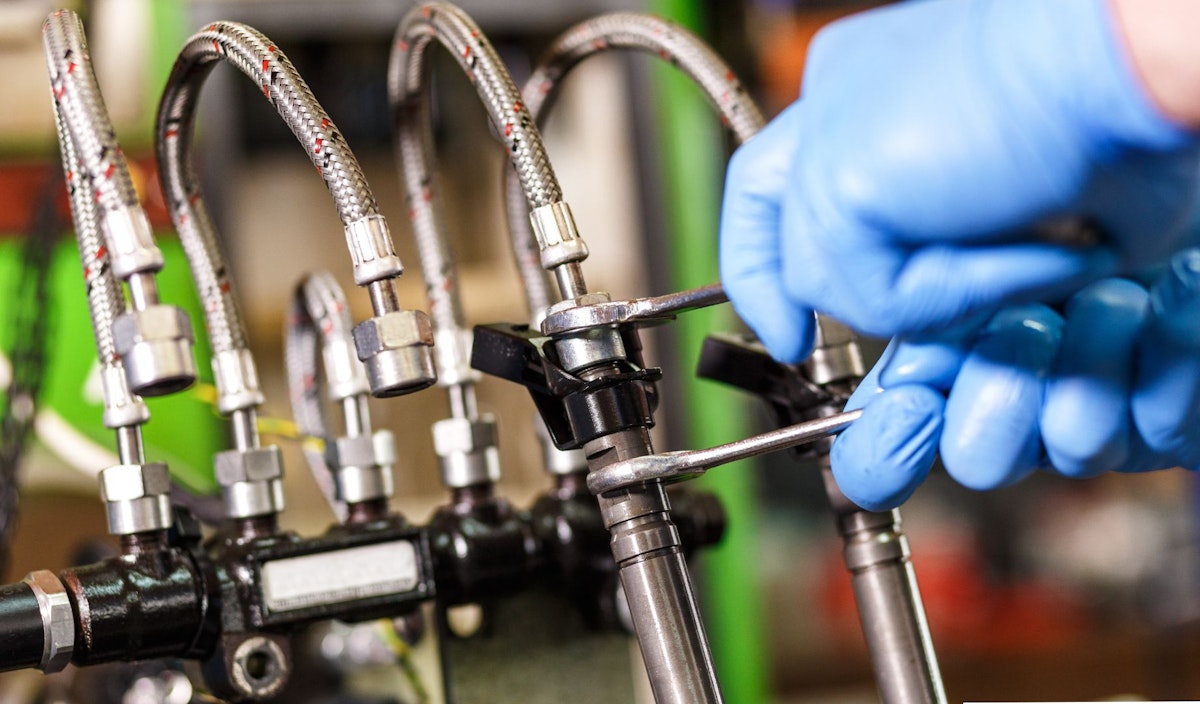
Hero image

Carbon Build-Up in Diesel Engines: Causes, Symptoms & DPF Problems

Is Carbon Build-Up Affecting Your Diesel Vehicle?

If your diesel vehicle is feeling sluggish, using more fuel than usual or struggling to accelerate, carbon build-up could be part of the problem.

Modern diesel engines are designed to control emissions through systems such as the Exhaust Gas Recirculation (EGR) system and Diesel Particulate Filter (DPF). These systems are important for reducing emissions, but they can also become affected by soot and carbon deposits over time.

This can be particularly relevant for diesel vehicles that spend most of their time travelling around Airport West and surrounding areas on short trips, in traffic or with frequent stop-start driving.

At Airport Car Service Centre, we can inspect and diagnose diesel engine performance problems and determine whether carbon build-up, DPF issues, EGR faults or another problem is responsible.

Loss of power isn't something diesel owners should simply put up with. Finding the cause early can help prevent a relatively manageable problem from becoming a much more expensive repair.

What Causes Carbon Build-Up in a Diesel Engine?

Carbon and soot are natural by-products of diesel combustion. Modern emissions systems are designed to manage these particles, but deposits can accumulate in various parts of the engine and exhaust system.

One area particularly susceptible to deposits is the EGR and intake system.

The EGR system sends a controlled amount of exhaust gas back into the engine intake to help reduce nitrogen oxide (NOx) emissions. At the same time, small amounts of oil vapour can enter the intake system. Over time, the combination of soot and oil vapour can form sticky deposits that gradually restrict airflow.

This can reduce the amount of clean air available to the engine and affect how efficiently it operates.

Carbon and soot can also accumulate in the DPF. The DPF is designed to capture soot from the exhaust and periodically burn it away through a process called regeneration. If regeneration is repeatedly interrupted or conditions are unsuitable, soot can continue accumulating.

Airport Car Service Centre workshop

Why Short Trips Can Be Hard on a Diesel

Diesel vehicles generally cope well with longer journeys where the engine and exhaust system can reach and maintain operating temperature.

The problem for many urban diesel drivers is that everyday driving can look very different.

Short trips to work, school, the shops or around Airport West may involve:

  • Frequent cold starts
  • Stop-start traffic
  • Low average speeds
  • Extended periods of idling
  • Trips that finish before the engine reaches full operating temperature

These conditions can make it more difficult for the DPF to complete its regeneration process. Repeatedly interrupted regeneration can contribute to increasing soot levels inside the filter.

This doesn't mean that every diesel used for short trips will develop a DPF or carbon problem. It does mean that urban diesel owners should pay attention to warning signs and follow their vehicle manufacturer's servicing and operating recommendations.

What Parts Can Be Affected by Carbon Build-Up?

Carbon deposits don't necessarily cause a problem in just one location. Depending on the vehicle and the underlying cause, deposits may affect several components.

EGR Valve

An EGR valve exposed to soot and deposits can become restricted or fail to operate correctly. This may contribute to rough running, poor acceleration, increased fuel consumption or warning lights.

Intake Manifold

Deposits inside the intake can progressively reduce the available airflow. This can become more noticeable when the engine is under load, such as when accelerating, towing or driving uphill.

Diesel Particulate Filter

The DPF traps soot from the exhaust. It must periodically regenerate to burn accumulated soot. If the filter becomes excessively loaded, the vehicle may experience reduced performance and may eventually enter limp mode.

Turbocharger System

A diesel engine's turbocharger relies on the correct flow of air and exhaust gases. Carbon-related problems elsewhere in the system can contribute to poor boost performance, although a loss of turbo power can have many other causes and should be properly diagnosed rather than automatically blamed on carbon.

Signs Your Diesel May Have a Carbon or DPF Problem

Carbon build-up usually develops gradually, which means the first symptoms can be easy to dismiss.

Keep an eye out for:

  • Sluggish acceleration
  • Reduced engine power
  • Poor throttle response
  • Increased fuel consumption
  • Excessive exhaust smoke
  • Rough or uneven running
  • Turbo lag or reduced boost
  • An engine or emissions warning light
  • A DPF warning light
  • The vehicle entering limp mode
  • Difficulty maintaining speed, particularly uphill
  • More frequent DPF regeneration

These symptoms aren't exclusive to carbon build-up. Problems with fuel injectors, sensors, turbochargers, air filters, boost hoses, the DPF itself and other engine components can produce similar symptoms.

That's why accurate diagnosis is important before replacing or cleaning components.

Real-World Example: Carbon Build-Up Leading to Poor Performance

A reported Toyota LandCruiser Prado provides a good example of how carbon deposits can affect diesel performance.

The owner experienced significant sluggishness while driving on a freeway and found that the turbocharger was not providing its usual boost. The vehicle struggled to reach speed and produced black smoke when power eventually returned. Investigation found that the EGR valve was almost blocked with carbon deposits.

This is an important reminder that a diesel vehicle doesn't necessarily need to display a warning light before carbon-related problems begin affecting performance.

In more severe situations, an engine management system may detect abnormal operating conditions and reduce engine power by putting the vehicle into limp mode. This is designed to protect the engine and emissions system from further damage.

If your diesel suddenly loses a significant amount of power or enters limp mode, don't assume that driving it harder will clear the problem. A diagnostic inspection can help identify what has triggered the reduced-power mode.

Can Carbon Build-Up Be Prevented?

Carbon accumulation cannot always be prevented completely, particularly on modern diesel engines with complex emissions systems. However, good maintenance can help reduce the likelihood of serious problems.

Follow the Manufacturer's Service Schedule

Regular servicing allows the engine, fuel system, intake, turbocharger and emissions systems to be inspected for developing problems.

Using the correct engine oil specified for your vehicle is also important, particularly for diesel engines fitted with a DPF.

Don't Ignore Warning Lights

A DPF, engine or emissions warning light should not simply be ignored. Continuing to drive with a developing problem can potentially result in further restrictions, increased fuel consumption or damage to other components.

Give Your Diesel the Right Type of Driving

If your vehicle is primarily used for short trips around Airport West, ask Airport Car Service Centre whether your driving pattern is suitable for your vehicle's DPF system.

An occasional longer journey may help a vehicle complete its normal regeneration process, but you should always follow the manufacturer's instructions. A drive is not a substitute for professional diagnosis if a warning light is illuminated or the vehicle has already entered limp mode.

Does Your Diesel Need a Carbon Clean?

A carbon cleaning service isn't automatically required simply because a vehicle has travelled a certain number of kilometres.

The right approach is to establish what is causing the problem and where the deposits are located.

Depending on the vehicle and symptoms, Airport Car Service Centre may inspect or diagnose areas including the:

  • EGR system
  • Intake system
  • DPF
  • Turbocharger and boost system
  • Air intake
  • Fuel system
  • Engine management sensors

This helps determine whether cleaning is appropriate or whether another component needs attention.

Diesel Diagnostics & Servicing in Airport West

If your diesel vehicle is losing power, using more fuel, producing unusual smoke or repeatedly entering limp mode, don't wait for the problem to become worse.

The team at Airport Car Service Centre can help diagnose diesel engine and emissions-system problems and explain what needs to be done to restore reliable performance.

Whether you use your diesel for commuting around Airport West, longer highway trips, towing, work or family transport, proper maintenance can help keep the engine and emissions systems operating as intended.

Notice a change in the way your diesel drives? Book an inspection with Airport Car Service Centre before a small performance issue becomes a bigger repair.

FAQ

1. Can a diesel have carbon build-up without showing a warning light?

Yes. Carbon deposits can gradually restrict an EGR valve or intake system before the engine management system detects a fault severe enough to trigger a warning light. A noticeable change in acceleration, fuel consumption or engine response is worth investigating even if the dashboard appears normal.

2. Can carbon build-up cause a diesel to enter limp mode?

It can contribute to conditions that result in limp mode. For example, excessive soot loading, EGR faults or problems affecting boost and exhaust pressure can cause the engine management system to restrict performance. Because limp mode has many possible causes, diagnostic testing is important.

3. Does taking my diesel on the freeway clean the EGR and intake?

Not necessarily. A longer drive may provide suitable conditions for the vehicle's DPF regeneration process, depending on the manufacturer's requirements, but it will not necessarily remove established carbon deposits from an EGR valve or intake manifold. Significant deposits may require inspection and professional cleaning.

4. Can a blocked DPF cause problems with the turbocharger?

A heavily restricted DPF can increase exhaust back pressure and place additional stress on the exhaust and turbocharging system. However, turbocharger problems have many possible causes, so the DPF should not automatically be assumed to be responsible for a turbo fault.

5. Is carbon build-up more of a problem for diesel vehicles that tow?

It can be. Towing places the engine under greater load, which can make an existing airflow, boost, fueling or exhaust restriction much more noticeable. If a diesel that normally performs well begins struggling when towing, loses power on hills or produces excessive smoke, it should be inspected rather than simply worked harder.

Book Your Diesel Vehicle Inspection

If you're noticing reduced power, poor acceleration, increased fuel consumption, warning lights or limp mode, talk to Airport Car Service Centre.

Early diagnosis can help identify whether carbon build-up, the DPF, EGR system, turbocharger or another diesel engine component is responsible.

Book your diesel service or inspection with Airport Car Service Centre today.

Related articles

Thumbnail for Fuel Injection (EFI) Servicing
Article
Fuel Injection (EFI) Servicing

Your electronic fuel injection (EFI) system is designed to rapidly deliver fuel to the engine in a highly efficient manner, helping your vehicle to run smoothly, at peak performance and using the minimum amount of fuel.

Read more

Thumbnail for European and Luxury car service
Article
European and Luxury car service

Airport Car Service Centre have the expertise and knowledge to perform repairs, diagnostics and service on all European and Luxury vehicles...

Read more
Thumbnail for Light Commercial & Fleet Vehicle Servicing
Article
Light Commercial & Fleet Vehicle Servicing

Ensure peak performance for your fleet vehicles with Airport Car Service Centre's expert service and repairs in Airport West. Specialising in light commercial vehicles. Call now!

Read more